
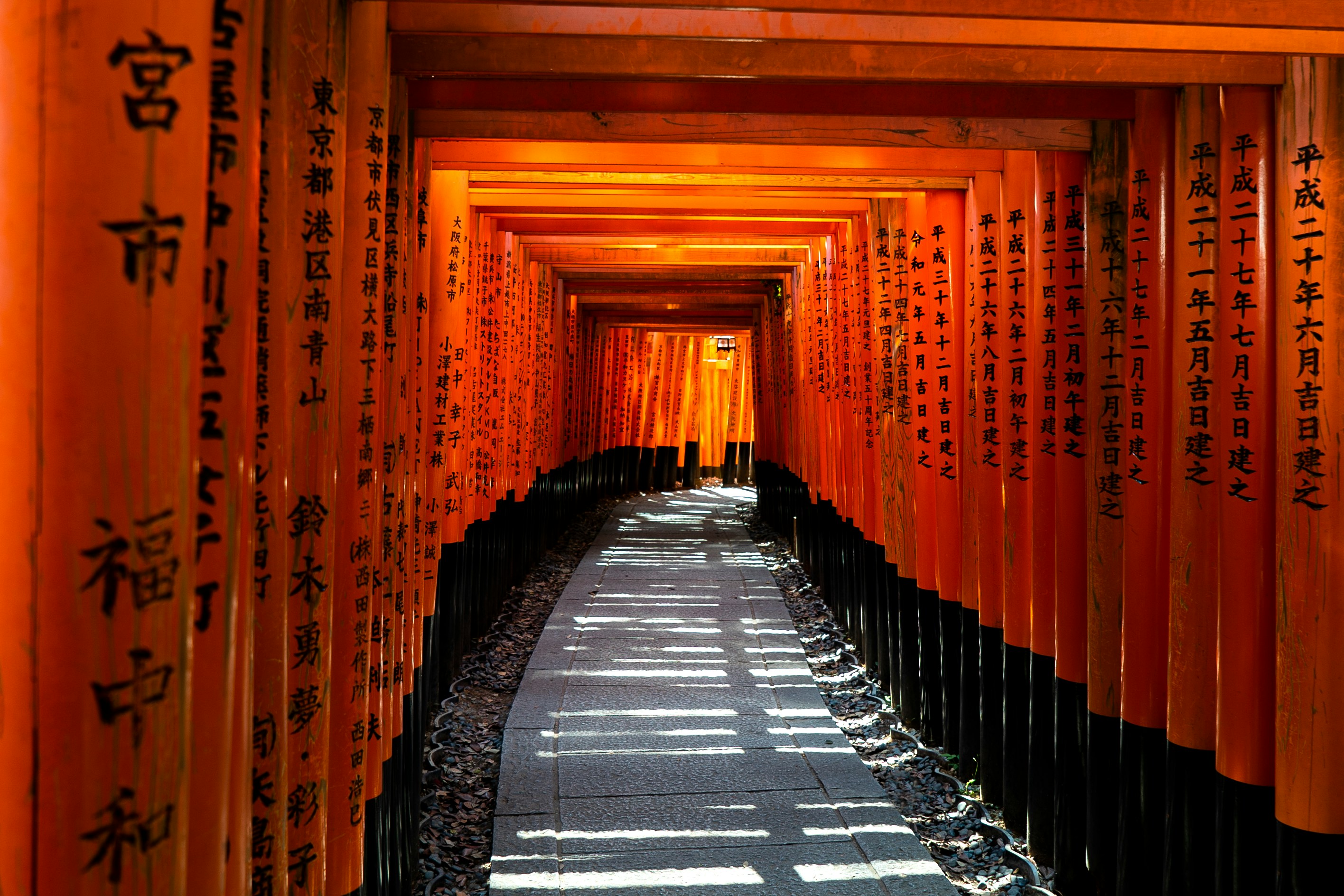
The Practice of Sacred Slowing
An Anthropological Analysis of Kyoto’s Cultural Ecosystem
by KA's Experience Team
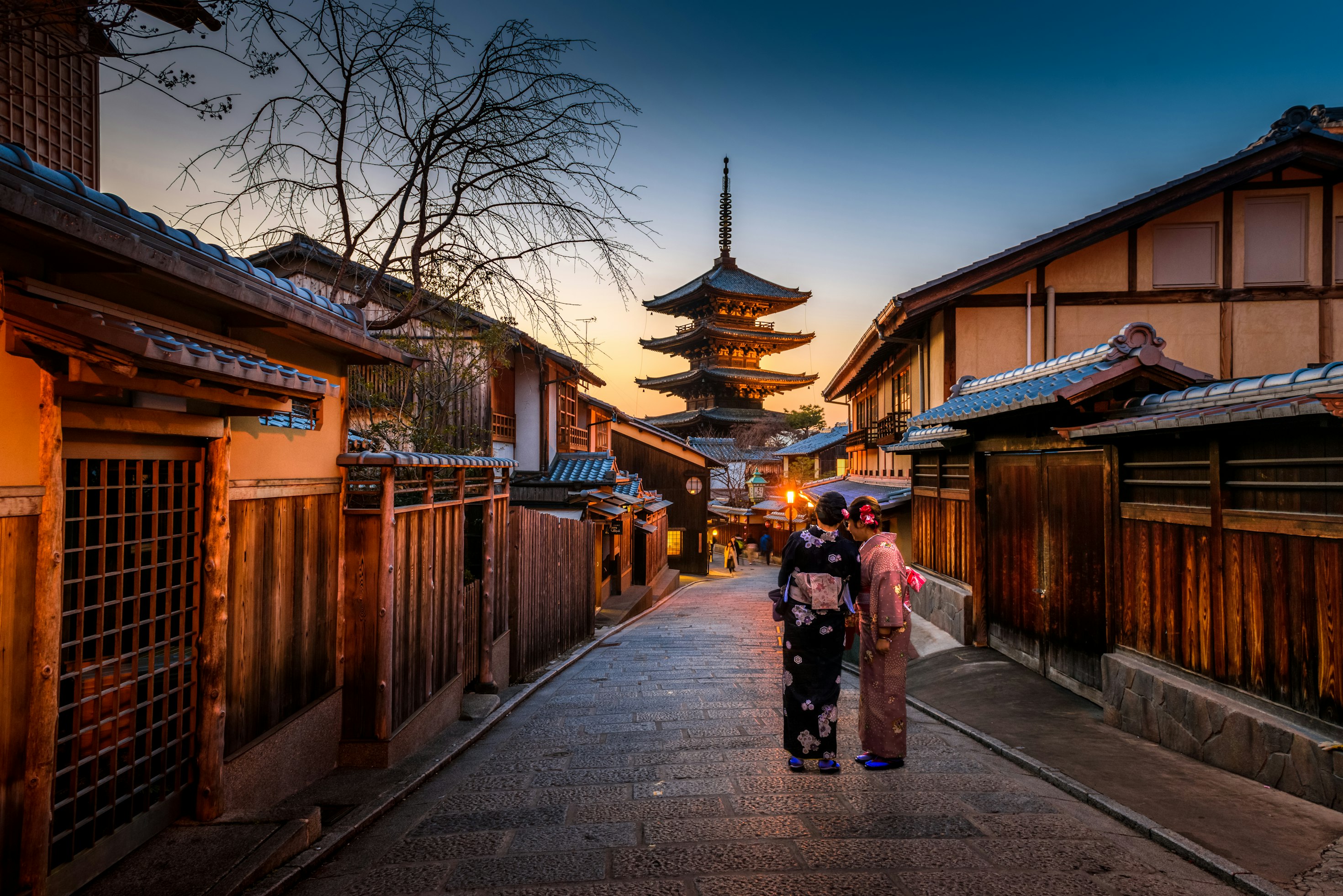
February through November
Best months to visit
September & December
Best time to book
February through November
Best months to visit
September & December
Best time to book
Reminder Set!
We'll notify you when it's the best time to book this destination.
Get reminded when it's time to book
Kyoto exists not merely as a repository of history, but as a functional technology designed to regulate the human nervous system through silence, season, and ritual.
We Handle Everything. You Just Show Up.
No research. No coordination. No backup plans needed. Just your perfect journey—guaranteed.
Create Your JourneyWhat happens to your nervous system when efficiency is removed from the equation, and every action is slowed down to the speed of ritual?
In the modern world, we rush to save time. We optimize, stack, and accelerate. But in Kyoto, they spend time to create meaning.
This is not a city you visit to check boxes. Kyoto operates as a temporal brake. It is a sophisticated, thousand-year-old machine designed to intervene in your autonomic nervous system. It demands that you stop running and start noticing. When you step off the train and into the quiet grid of these streets, the “fastest” way to do something immediately becomes the wrong way.
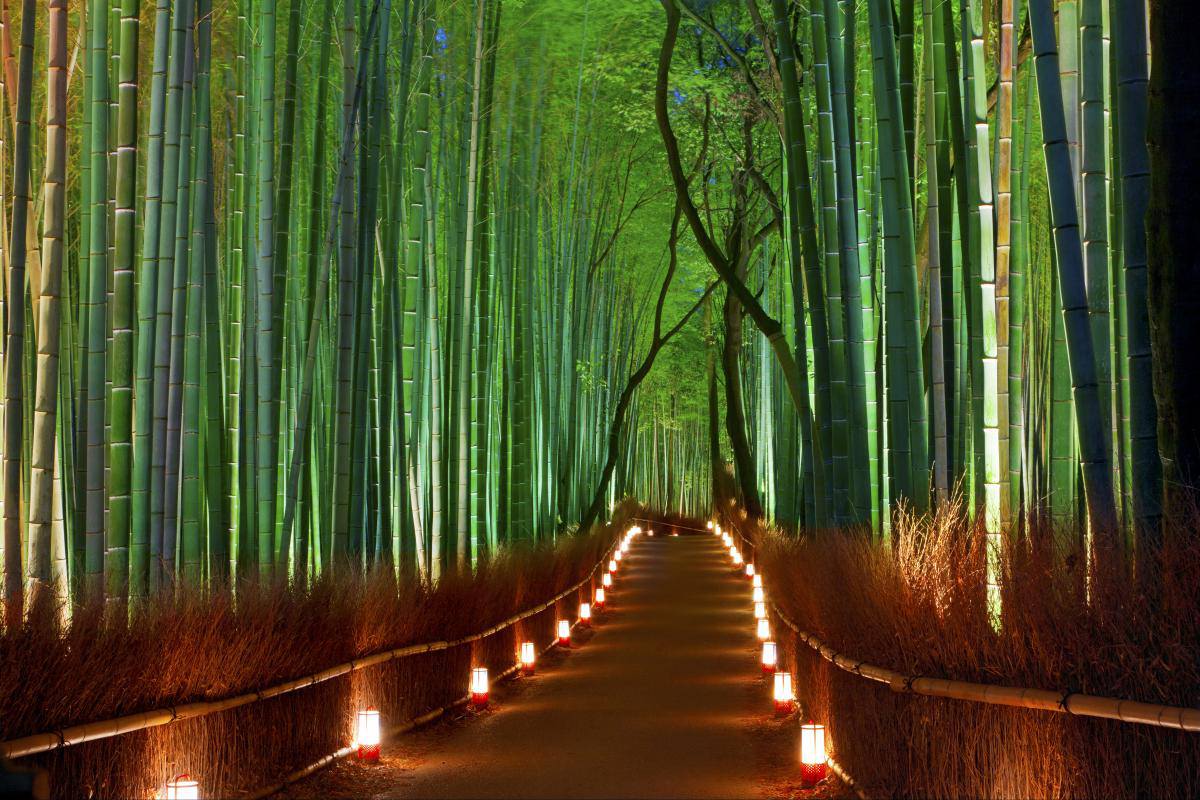
Arashiyama at night — the city as a temporal brake wrapped in green silence
What Makes This Place Different
The Preservation of Ritual Time
Kyoto operates on a different frequency. This isn’t just about the visual aesthetic of old buildings; it is about an operating system of etiquette, silence, and deliberate movement that physically recalibrates your internal clock. The city functions on the premise that “Sacred Slowing” is necessary for human flourishing.
The environment here is engineered to induce a state of Yutori—mental spaciousness or “room to breathe.”1 This is achieved through three specific mechanisms:
- The Seasonal Micro-Calendar
While the West operates on four static seasons, Kyoto adheres to a granular lunisolar calendar that divides the year into 72 micro-seasons, or Kō. Each lasts only five days.2 This forces you to be hyper-located in the present moment. You are not just in “Spring”; you might be in the season where “Mist starts to linger” (Feb 24–28) or “Fish emerge from the ice” (Feb 14–18).3 The scroll in the alcove and the ingredients in your bowl change every five days to match this reality. - The Architecture of Softness
You trade concrete for tatami (woven rush grass) and uncoated cedar. This is a physiological intervention. Research shows that tactile contact with uncoated wood significantly calms prefrontal cortex activity, shifting the brain from “active processing” to “receptive being.”4 Furthermore, tatami mats act as acoustic absorbers, specifically dampening the high-frequency noises (500 Hz – 4 kHz) that trigger anxiety, creating a “soft” auditory floor that naturally lowers your voice.5
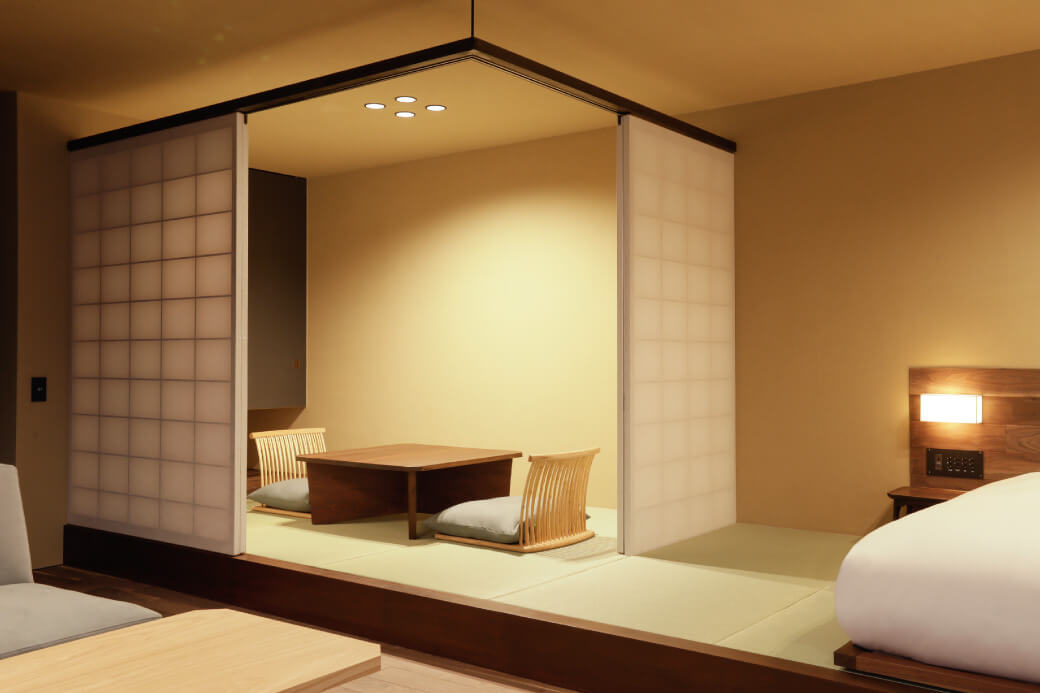
Tatami and shoji — Kyoto's material science for nervous system softness
- The Living Past
You will see Maiko (apprentice Geisha) moving between appointments in Gion. They are not costumed actors for tourists; they are practitioners of a high art living a lifestyle that has remained largely unchanged since the Edo period. Their presence is a reminder that some things refuse to be accelerated.
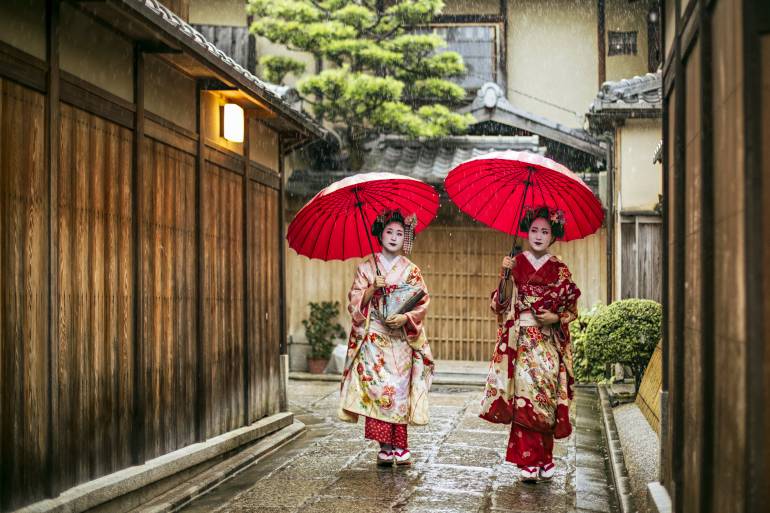
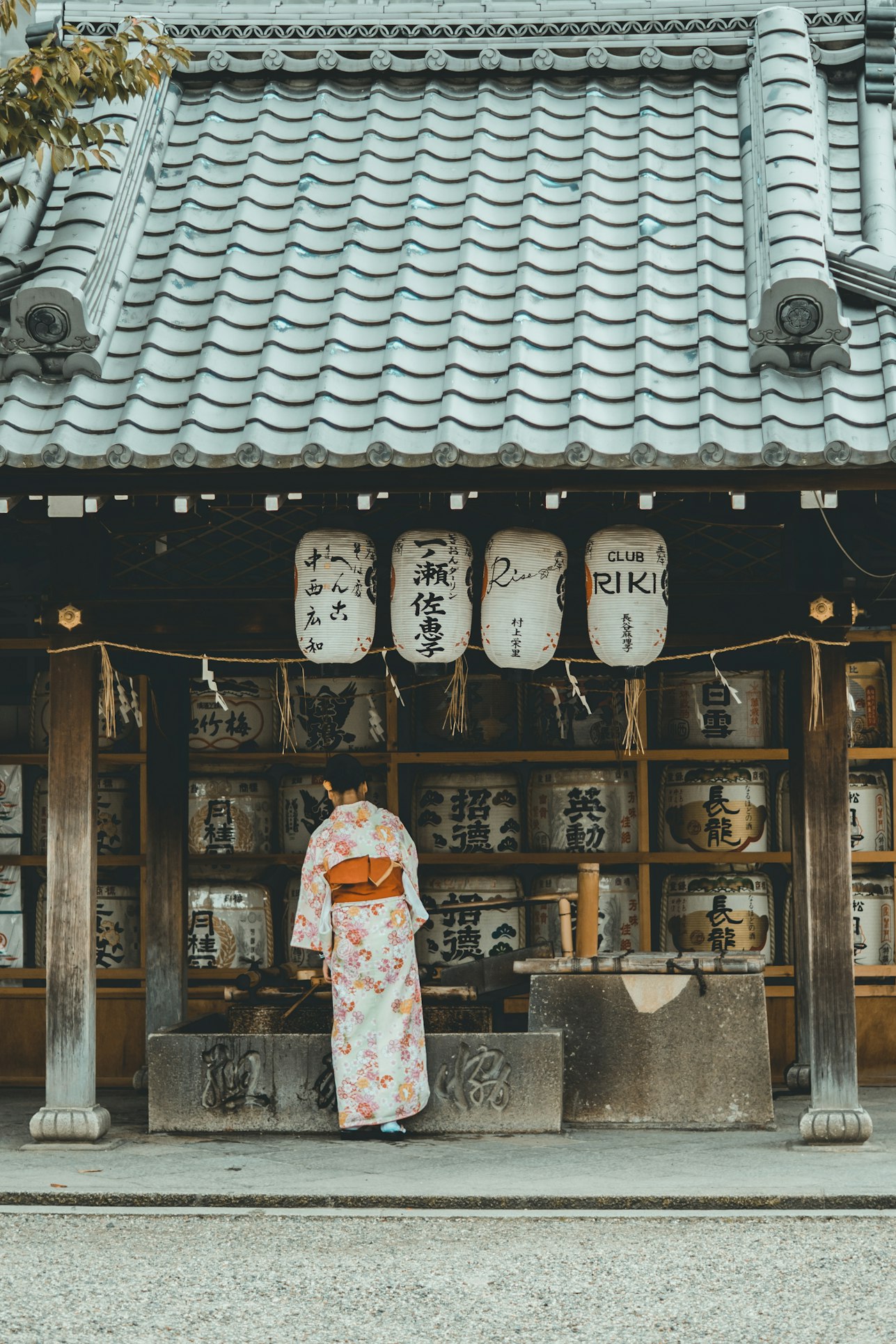
Living past in motion — Maiko moving between appointments in Gion's alleys
Who Else Has Studied This
The Botanical Perspective: Ume vs. Sakura
The world obsesses over the Cherry Blossom (Sakura)—the symbol of fleeting beauty and impermanence (mono no aware). But the poets and literati of old Kyoto preferred the Plum Blossom (Ume).
The distinction is profound. Sakura falls quickly, representing a beautiful death. Ume blooms in late February, while snow is still on the ground. It represents resilience, endurance, and hope.6 Seeing the plum blossom teaches you about finding beauty in harsh conditions. It is the flower of strength, not just fragility.
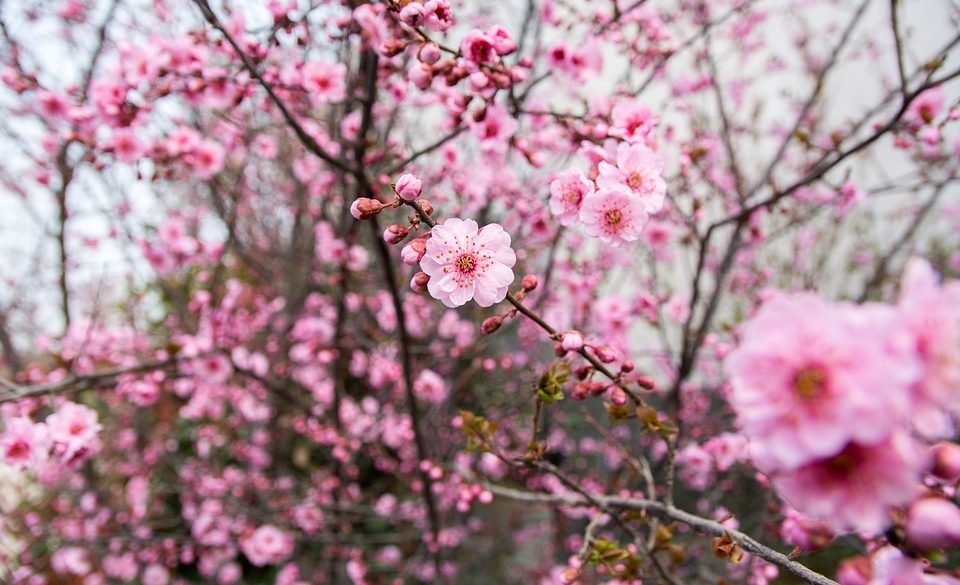
Ume in bloom — the resilient flower Kyoto venerates for endurance
The Indigenous Perspective
Shinto belief suggests that the world is filled with Kegare (spiritual pollution/withering). Water is the agent of Misogi—purification.7 The Onsen (hot spring) is not merely a bath; it is a ritual of returning to the earth to wash away the psychic debris of the profane world.
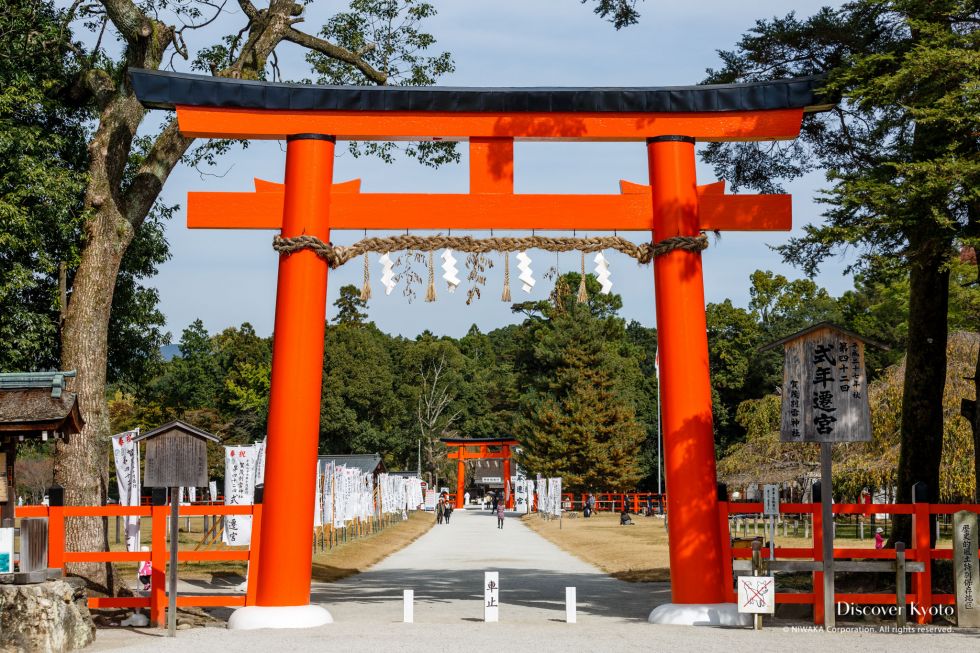
Shinto gateway — Kamigamo-jinja signaling purification before sacred space
The Culinary Philosophers
Masters of Kaiseki (traditional multi-course dining) study the philosophy of Shun—eating an ingredient only at the precise 10-day window when it is at the peak of its life energy.8 To eat Kaiseki is to consume time itself.
What You’ll Actually Do
The Kaiseki Meditation
This is not “dinner.” It is a two-hour ceremony of presence. You don’t choose the menu; the chef interprets the season for you. If you visit during the “Mist starts to linger” season, you might eat bitter butterbur buds (Fukinoto) to wake up your metabolism from winter hibernation, or icefish (Shirauo) that mimic the melting snow.910 You engage with pottery that may be 200 years old. It challenges you to taste the difference between “sustenance” and “art.”
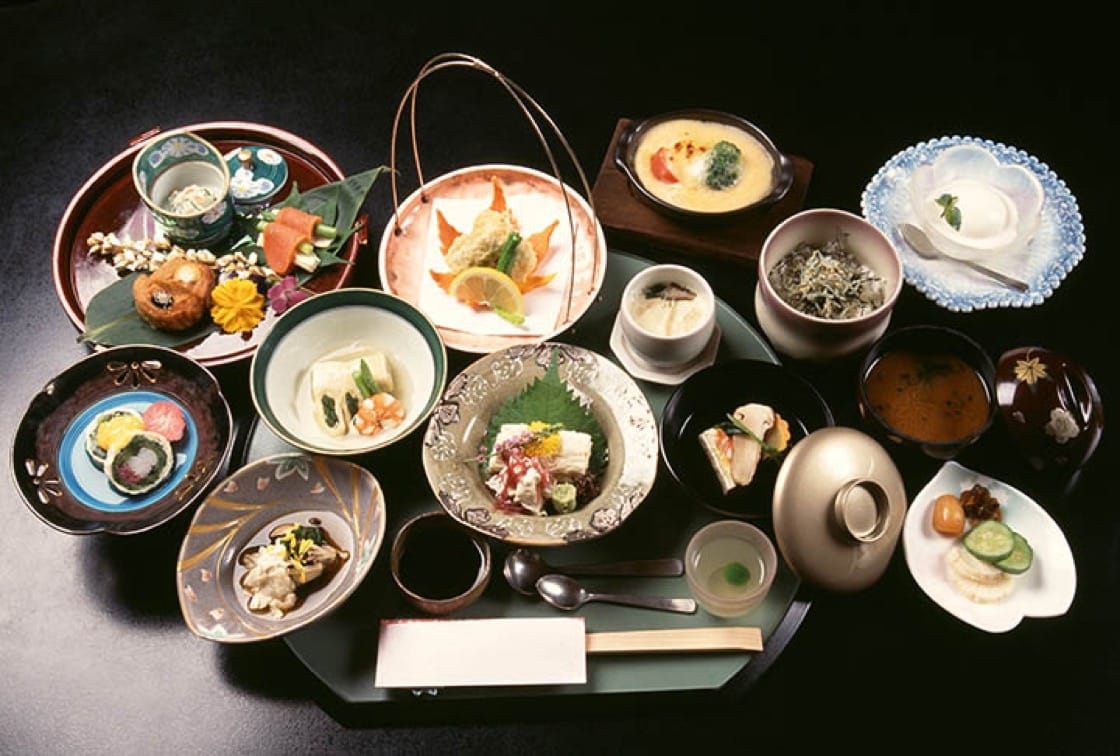
Kaiseki as timekeeping — eating the 10-day peak of each ingredient
Communal Vulnerability (The Onsen)
You will bathe in geothermal waters, naked, often with strangers. In the West, we armor ourselves with clothes. Here, the concept of Hadaka no Tsukiai (“naked communion”) removes social rank.11 A CEO and a junior employee are equals in the bath. Soaking in mineral-rich water heated to 42°C, while snow falls on your shoulders, induces a “heat shock” that forces your muscles to release holding patterns they’ve carried for years.12
The River Noodle Ritual (Nagashi Somen)
In the mountains of Kibune, you will sit on a platform built inches above the river. Cold water flows down a bamboo flume, carrying bundles of white noodles. You must focus intensely to catch them with your chopsticks as they slide past.13 It is playful, distinctively Kyoto, and forces you into a flow state where you must pay attention to the water.
The Path of Philosophy
You will walk the stone paths of the Higashiyama district. You may see a Geiko or Maiko. Crucial etiquette: we practice the “Art of the Glance.” We do not stop them. We do not chase them for a selfie. To take a photo without consent is a violation of their dignity and the Iki aesthetic (refined detachment).14 We respect that they are professionals on their way to work, and we let the image live in our memory, not our camera roll.
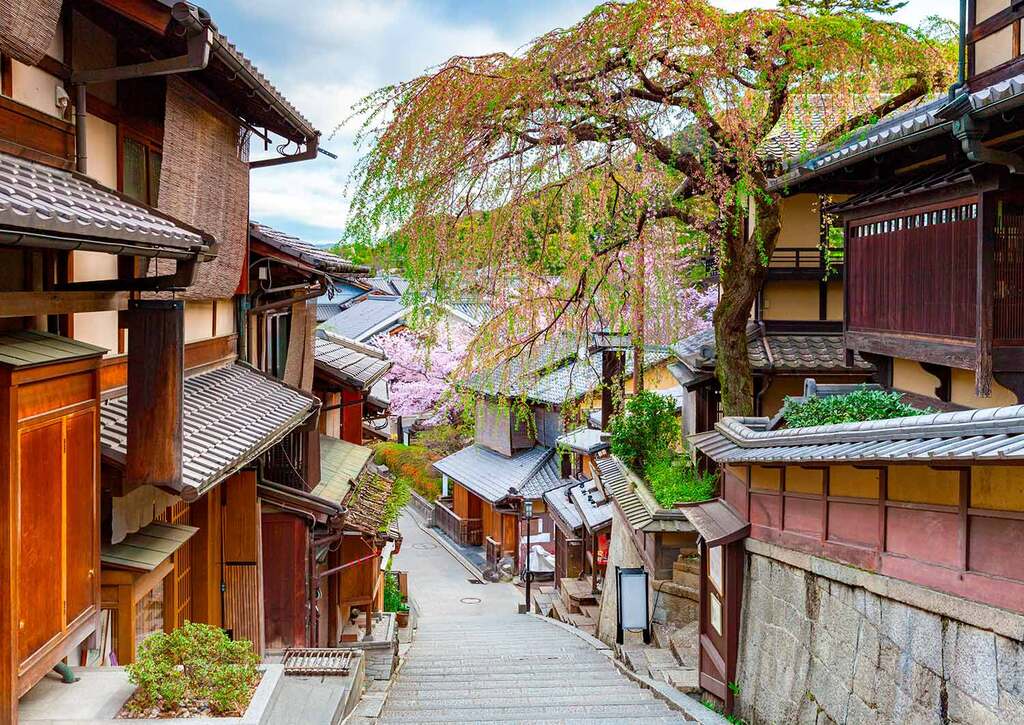
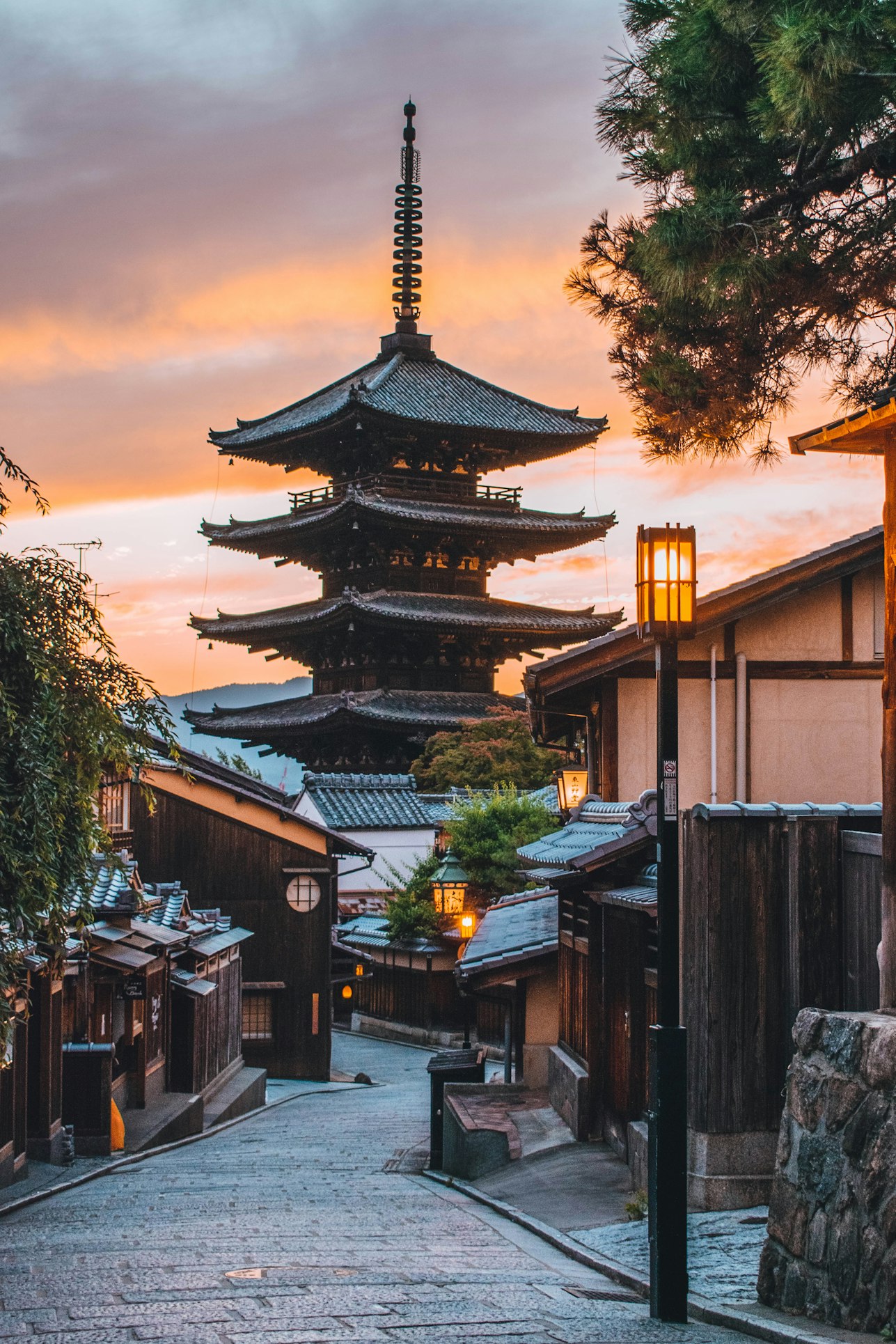
Stone paths of Higashiyama — Kyoto's walking meditation through history
What Changes in You
Perceptual Shifts
You move from a mindset of Scarcity (“I must see everything”) to Depth (“I need to feel one thing deeply”). You begin to crave Yutori—that sense of mental margin.15
Sensory Granularity
You start noticing details you used to miss. The specific smell of igusa rush grass in the tatami.16 The difference in temperature between the air and the bathwater. The scent of plum blossoms, which is spicy and sweet, unlike the scentless cherry blossom.6
Embodied Learning
Your body learns to accept “heat” and “stillness” without panicking. The Onsen trains your nervous system to tolerate intensity and relax into it.
Lasting Effects
You return with a lower resting heart rate and a new standard for food. “Fast food” becomes unappealing because you’ve remembered what food tastes like when it’s prepared with slow, agonizing care.
The Practical Details
When to Go
Kyoto reveals four distinct faces, depending on the intensity you seek:
- For Solitude (Late Feb - Early March): The season of the Plum Blossom (Ume). The crowds are thin, the air is crisp (2°C - 10°C), and the Onsen steam is thickest.17 This is Kyoto for the introvert.
- For Celebration (Early April): The season of Sakura (Cherry Blossoms). The entire city turns pink. It is crowded, yes, but the collective joy of the entire nation stopping to look at flowers is an energy unlike anywhere else on earth.
- For Intensity (July): The season of Gion Matsuri. This isn’t just a festival; it is a city-wide exorcism ritual dating back to 869 AD. Massive wooden floats (Yamaboko)—built without a single nail—are pulled through the streets to purify the city.18 It is hot, humid, and loud, but it is the most visceral display of Kyoto’s ancient community spirit.
- For Reflection (November): The season of Momiji (Autumn Foliage). The temples turn into corridors of fire-red and gold.
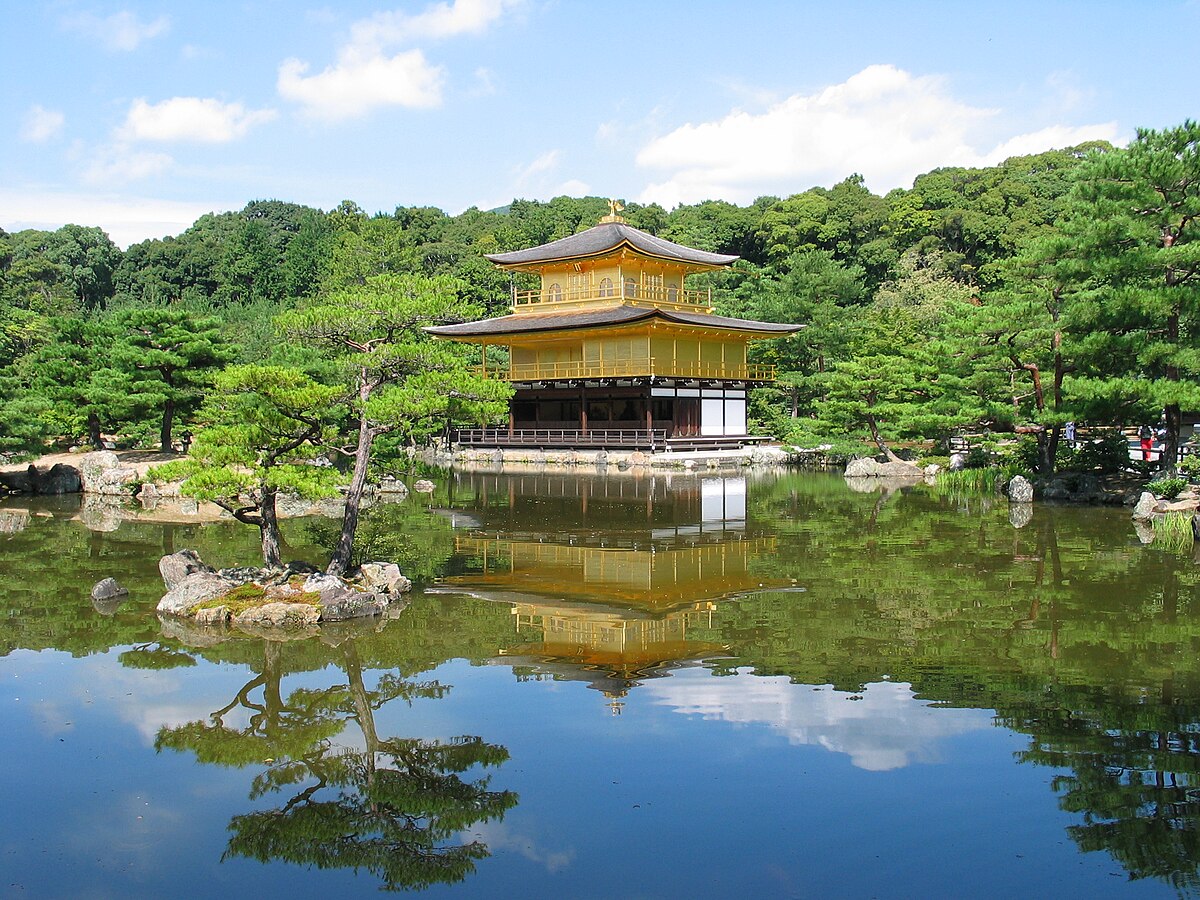
Reflection season — Kinkaku-ji mirrored in still water, a study in calm
What It Requires
- Mobility: The ability to sit on the floor (tatami) for meals is often necessary.
- Nudity: Comfort with gender-segregated public nudity for the Onsen experience.
- Tattoos: Many traditional Onsens prohibit tattoos due to historical association with the Yakuza. However, we can arrange private open-air baths (kashikiri) or identify tattoo-friendly historic baths like Funaoka Onsen so you do not miss this vital ritual.1920
How to Begin
We Handle Everything. You Just Show Up.
No research. No coordination. No backup plans needed. Just your perfect journey—guaranteed.
Create Your JourneyFootnotes
-
Yutori ~ Spaciousness | Curriculum of the Spiritual Life Source ↩
-
Physiological Effects of Touching Coated Wood - MDPI Source ↩
-
Sound Absorption Coefficient Chart - Commercial Acoustics Source ↩
-
Plum Blossom Trees (Ume): Resilient Beauty - My Japanese World Source ↩ ↩2
-
Seasonal Ingredients in Japanese Fine Dining - SG Torikami Source ↩
-
Kyoto, the Thousand-Year Capital: Food Traditions - SHUN GATE Source ↩
-
Enjoy the Seasons and Refined Japanese Cuisine - Hotel Chinzanso Source ↩
-
What is Japanese “Iki” spirit? - Masterpieces of Japanese Culture Source ↩
-
Tatami Boosts Concentration and Relaxation - Kohaku Source ↩
-
The history of the Gion Matsuri festival - TravelLocal Source ↩
-
Stunning Kyoto ryokans with private onsen - Japanese Onsen Source ↩